Canada has long recognized the importance of immigration in supporting economic growth, addressing labor shortages, and strengthening communities across the country. While major cities such as Toronto, Vancouver, and Calgary continue to attract thousands of newcomers every year, many rural and northern communities face challenges such as aging populations, workforce shortages, and declining population growth.
To address these issues, the Government of Canada introduced the Rural and Northern Immigration Pilot (RNIP), a community-driven immigration program designed to help smaller communities attract skilled foreign workers and retain newcomers for long-term economic development. The pilot created a direct pathway to Canadian Permanent Residence (PR) for eligible workers who wished to live and work in participating rural communities.
Although the RNIP officially closed to new applications on August 31, 2024, it has paved the way for the new Rural Community Immigration Pilot (RCIP), which continues the mission of supporting rural Canada’s workforce needs.
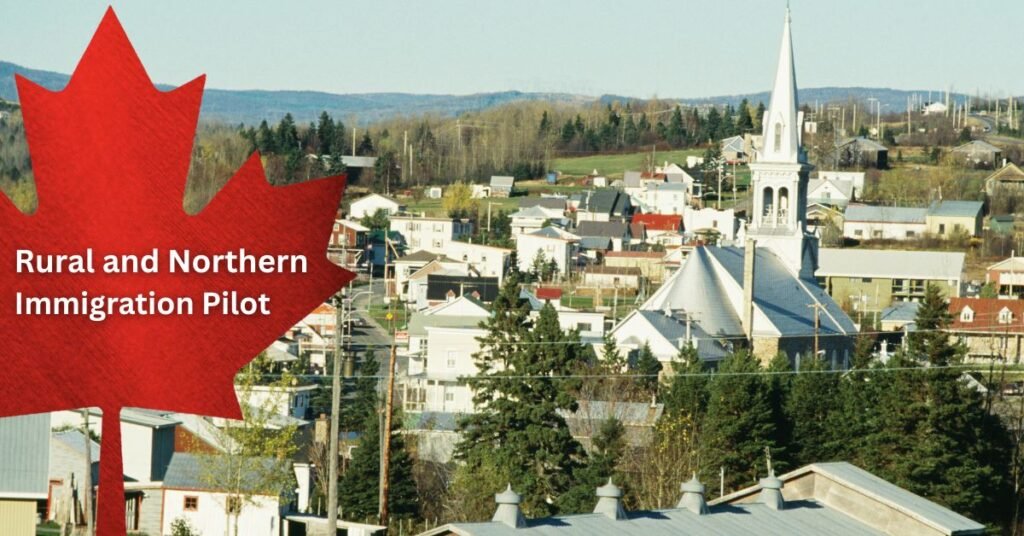
What Was the Rural and Northern Immigration Pilot (RNIP)?
The Rural and Northern Immigration Pilot was a community-based immigration program launched by Immigration, Refugees and Citizenship Canada (IRCC). The program aimed to spread the benefits of economic immigration beyond Canada’s major urban centers and into smaller communities experiencing labor shortages.
RNIP allowed participating communities to recommend eligible foreign workers for permanent residence based on local economic needs and employment opportunities. The program was unique because communities played an active role in selecting candidates who were likely to settle and contribute to the local economy.
Objectives of RNIP
The primary objectives of the Rural and Northern Immigration Pilot included:
1. Address Labor Shortages : Many rural communities struggle to find qualified workers in industries such as healthcare, manufacturing, transportation, hospitality, agriculture, and skilled trades.
2. Support Economic Growth : By attracting skilled immigrants, communities could maintain business operations and expand local economic activities.
3. Increase Population Growth : The program helped combat population decline in smaller towns and remote regions.
4. Improve Immigrant Retention : RNIP encouraged newcomers to settle permanently in participating communities through local support systems and community integration programs.
Participating Communities Under RNIP
Several communities across Canada participated in the RNIP program, including:
- North Bay, Ontario
- Sudbury, Ontario
- Timmins, Ontario
- Sault Ste. Marie, Ontario
- Thunder Bay, Ontario
- Brandon, Manitoba
- Altona/Rhineland, Manitoba
- Moose Jaw, Saskatchewan
- Claresholm, Alberta
- Vernon, British Columbia
- West Kootenay Region, British Columbia
Each community established its own local requirements and recommendation process based on labor market needs.
Eligibility Requirements for RNIP
To qualify under RNIP, applicants generally needed to meet the following criteria:
Valid Job Offer : Candidates were required to secure a genuine full-time, non-seasonal job offer from an employer located within a participating community.
Work Experience : Applicants typically needed at least one year of continuous work experience (1,560 hours) within the previous three years. Certain international graduates from participating communities could qualify without work experience.
Language Requirements : Applicants had to demonstrate language proficiency through approved language tests such as IELTS, CELPIP, or TEF Canada. Required scores varied depending on the job’s NOC category.
Educational Credentials : Candidates needed a Canadian educational credential or an Educational Credential Assessment (ECA) for foreign education.
Settlement Funds : Applicants had to show sufficient funds to support themselves and their family members upon arrival in Canada.
Community Recommendation : One of the most important requirements was obtaining a recommendation from the participating community after meeting local criteria.
Application Process Under RNIP
The application process generally involved the following steps:
1. Verify Eligibility : Applicants first ensured they met federal and community-specific requirements.
2. Obtain a Job Offer : Candidates secured an eligible job offer from a participating employer.
3. Apply for Community Recommendation : The applicant submitted their profile and supporting documents to the community.
4. Receive Community Recommendation : If approved, the community issued a recommendation letter.
5. Submit Permanent Residence Application : The candidate then applied to IRCC for Canadian Permanent Residence.
6. Apply for a Work Permit (Optional) : Eligible candidates could apply for a work permit while awaiting their PR decision.
Benefits of RNIP
The Rural and Northern Immigration Pilot offered several advantages:
Faster Pathway to PR : Many applicants found RNIP more accessible than highly competitive federal immigration programs.
Lower CRS Competition : Unlike Express Entry, RNIP focused on community needs rather than solely relying on CRS scores.
Strong Community Support : Participating communities often provided settlement services, mentorship programs, and integration assistance.
Better Employment Opportunities : Applicants filled in-demand occupations where employers actively sought international talent.
Affordable Living : Many rural communities offer lower housing costs and a higher quality of life compared to major metropolitan areas.
RNIP Closure and Transition to RCIP
The Rural and Northern Immigration Pilot officially stopped accepting new applications on August 31, 2024. However, applications submitted before the closure date continue to be processed by IRCC.
Recognizing the success of RNIP, the Canadian government introduced the Rural Community Immigration Pilot (RCIP) in 2025 as its successor. The RCIP aims to continue helping rural communities attract skilled workers and fill labor shortages through a permanent residence pathway.
What is the Rural Community Immigration Pilot (RCIP)?
The Rural Community Immigration Pilot is a new immigration pathway launched by Canada to help rural and remote communities recruit skilled foreign workers.
Under RCIP:
- Skilled workers can apply for permanent residence.
- Participating communities designate eligible employers.
- Applicants require a valid job offer from a designated employer.
- Communities support newcomer settlement and retention.
- Employers can fill critical labor shortages more effectively.
Why Rural Immigration Programs Matter
Canada’s rural communities are essential to the country’s economic success. These regions contribute significantly to industries such as:
- Agriculture
- Healthcare
- Manufacturing
- Transportation
- Construction
- Hospitality and Tourism
- Skilled Trades
Without immigration, many communities would face serious workforce shortages and slower economic growth. Programs like RNIP and RCIP help ensure these communities remain vibrant and prosperous.
Final Thoughts
The Rural and Northern Immigration Pilot was one of Canada’s most successful community-based immigration initiatives. It provided thousands of skilled workers and their families with an opportunity to build a new life in Canada while helping rural communities meet critical labor market needs.
Although RNIP has now closed, its legacy continues through the Rural Community Immigration Pilot (RCIP), which offers new opportunities for skilled workers seeking permanent residence in Canada. For applicants interested in living and working outside Canada’s major cities, rural immigration pathways remain among the most promising routes to Canadian permanent residency.
How Myroaming World Immigration and Citizenship Consulting Can Help
Navigating Canadian immigration programs can be complex, especially when dealing with community-specific requirements, employer eligibility, documentation, and permanent residence applications. This is where Myroaming World Immigration and Citizenship Consulting can make a significant difference.
Our experienced immigration professionals assist applicants throughout every stage of the immigration journey, including:
- Eligibility assessment and profile evaluation
- Guidance on suitable Canadian immigration pathways
- Assistance with job search strategies
- Documentation review and preparation
- Educational Credential Assessment (ECA) guidance
- Language test preparation advice
- Permanent Residence application support
- Application tracking and case management
- Ongoing immigration consultation and support
At Myroaming World Immigration and Citizenship Consulting, we are committed to helping individuals and families achieve their dream of immigrating to Canada. Our personalized approach, professional guidance, and dedication to client success help maximize your chances of a successful immigration outcome.
If you are considering Canadian immigration through the Rural Community Immigration Pilot (RCIP), Express Entry, Provincial Nominee Programs (PNPs), or other immigration pathways, contact Myroaming World Immigration and Citizenship Consulting today and take the first step toward building your future in Canada.
Lorem ipsum dolor sit amet, consectetur adipiscing elit. Ut elit tellus, luctus nec ullamcorper mattis, pulvinar dapibus leo.