Canadian immigration applications can involve much more than completing forms and uploading documents. Depending on an applicant’s circumstances, a case may involve complicated work history, education, previous refusals, inadmissibility concerns, family circumstances, status issues, documentation gaps, or questions about eligibility.
In situations where a case has multiple legal or factual considerations, a Case Strategy Memorandum can provide a structured way to analyze the applicant’s circumstances, identify potential concerns, organize supporting evidence, and develop a clear strategy for moving forward.
A well-prepared case strategy can help applicants understand their options before submitting an important Canadian immigration application.
What Is a Case Strategy Memorandum?
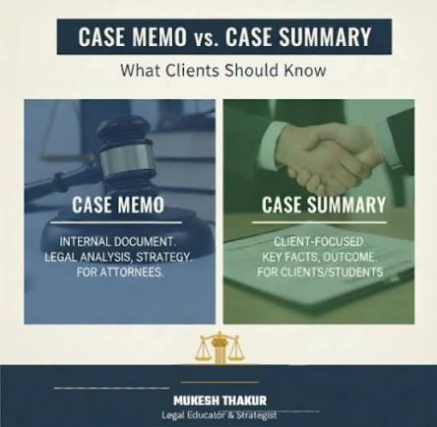
A Case Strategy Memorandum is a structured written analysis prepared to evaluate the important facts, documentation, potential issues, and possible immigration pathways associated with an individual case.
It is essentially a roadmap for the case.
Rather than approaching an immigration application simply as a collection of forms, a case strategy memorandum considers the case as a whole.
It may address questions such as:
- What immigration program may be appropriate?
- Does the applicant appear to meet the relevant eligibility requirements?
- What evidence is available?
- Are there gaps or inconsistencies in the documentation?
- Are there circumstances that could create concerns for an immigration officer?
- How should complicated facts be explained?
- What additional documents should be obtained?
- What risks should be considered before submitting the application?
- What alternative immigration options may be available?
IRCC emphasizes that applicants must provide the documents required for their particular program, and incomplete or insufficient documentation can result in delays, return of an application, or refusal.
Why Case Strategy Matters in Canadian Immigration
Every applicant has a different background.
Two applicants may appear to qualify for the same immigration program, but their cases can be very different because of their:
- education;
- work experience;
- language results;
- employment history;
- immigration history;
- family circumstances;
- travel history;
- financial situation;
- previous applications;
- documentation;
- current status in Canada; or
- other relevant circumstances.
For this reason, simply selecting an immigration program is not always enough.
A case strategy can help identify the strengths and weaknesses of the application before submission, giving the applicant an opportunity to address potential problems where possible.
What Does a Case Strategy Memorandum Typically Include?
The contents will depend on the applicant and the type of immigration matter. However, a comprehensive memorandum may include several important sections.
1. Applicant Background
The memorandum can begin with a summary of the applicant’s relevant personal and immigration history.
This may include:
- nationality and country of residence;
- current immigration status;
- education;
- employment history;
- family circumstances;
- Canadian immigration history;
- previous applications;
- refusals or withdrawals;
- language proficiency;
- travel history; and
- other relevant information.
The objective is to create a clear picture of the applicant’s circumstances.
2. Immigration Objecetiv
The next step is to clearly identify what the applicant wants to accomplish.
For example, the objective may be:
- Canadian permanent residence;
- a work permit;
- a study permit;
- family sponsorship;
- visitor status;
- restoration of status;
- permanent resident status-related assistance;
- citizenship;
- or another immigration pathway.
Clearly defining the objective helps establish the appropriate strategy.
3. Eligibility Assessment
The case strategy should examine the requirements of the relevant immigration program.
Depending on the program, this could involve reviewing:
- age;
- education;
- language proficiency;
- work experience;
- Canadian work experience;
- job offers;
- provincial nomination;
- settlement funds;
- family relationships;
- admissibility;
- immigration status; and
- other program-specific requirements.
For example, Express Entry applicants may need documents such as language test results, educational credential assessments, proof of work experience, proof of funds, police certificates and, where applicable, provincial nomination documentation.
A strategy memorandum can organize these requirements and compare them against the applicant’s circumstances.
4. Identification of Strengths
A good strategy should not focus only on potential problems.
It should also identify the strongest aspects of the case.
For example, an applicant may have:
- strong educational qualifications;
- substantial skilled work experience;
- strong language scores;
- Canadian work experience;
- a valid provincial nomination;
- strong financial documentation;
- a genuine family relationship;
- or other relevant supporting evidence.
Identifying these strengths helps determine how the overall application can be presented clearly and consistently.
5. Identification of Potential Risks
One of the most valuable purposes of case strategy is identifying potential concerns before an application is submitted.
Possible concerns can include:
- unexplained employment gaps;
- inconsistencies between forms and supporting documents;
- insufficient proof of work experience;
- questionable or incomplete documentation;
- previous immigration refusals;
- changes in marital or family status;
- unclear travel history;
- missing police certificates;
- insufficient evidence;
- status-related issues;
- or information that requires additional explanation.
Identifying a concern does not necessarily mean an application will be refused.
Instead, it allows the applicant and representative to determine whether additional evidence or a clear explanation may be appropriate.
6. Document Strategy
Documents are central to most Canadian immigration applications.
IRCC states that applicants should follow the document checklist and provide the supporting evidence required for their particular program.
A case strategy memorandum can therefore include a document plan identifying:
Required documents
Documents that must be submitted to satisfy the program requirements.
Supporting documents
Additional evidence that can help establish relevant facts.
Explanatory documents
Letters or explanations addressing unusual circumstances, inconsistencies, or missing documents.
Documents requiring clarification
Documents where additional context may be useful to prevent misunderstanding.
This approach can help create a more organized application package.
7. Letter of Explanation Strategy
Some immigration cases require additional explanations.
For example, an applicant may be unable to obtain a required document because of circumstances outside their control. IRCC allows applicants in certain circumstances to provide an explanation and supporting evidence explaining why a required document cannot be provided.
IRCC also allows applicants to provide additional information about their circumstances through a letter of explanation in appropriate situations.
A case strategy memorandum can identify where an explanation may be appropriate and what facts and evidence should be addressed.
The goal should be to provide a clear, factual and consistent explanation, rather than unnecessarily complicating the application.
8. Addressing Inconsistencies
Inconsistencies can create questions during the processing of an immigration application.
For example, dates on an employment letter may differ from information entered on an application form.
Similarly, an applicant’s:
- employment dates;
- residential addresses;
- education history;
- marital information;
- travel history; or
- immigration history
may need to be carefully reviewed for consistency.
A case strategy review can compare the information across the application and supporting documents and identify areas requiring clarification.
9. Previous Immigration Refusals
A previous refusal does not necessarily mean that an applicant can never successfully apply again.
However, the reasons for the previous refusal should be carefully reviewed.
A strategy memorandum may examine:
- the previous application;
- the refusal reasons;
- supporting documents submitted previously;
- changes in the applicant’s circumstances;
- new evidence;
- and potential weaknesses that should be addressed in a new application.
The objective is not simply to submit the same application again.
Instead, the strategy should consider what has changed and how the concerns identified in the previous application can be properly addressed.
10. Choosing Between Immigration Pathways
Sometimes an applicant may have more than one possible pathway.
For example, depending on the applicant’s circumstances, potential options could include:
- Express Entry;
- Provincial Nominee Programs;
- employer-supported immigration;
- family sponsorship;
- study-related pathways;
- work permits;
- business or entrepreneur programs;
- or other applicable immigration programs.
A case strategy memorandum can compare the relevant options and identify their respective requirements, advantages, limitations and potential risks.
The appropriate strategy should always be based on the applicant’s actual circumstances and the requirements in effect at the time of application.
11. Case Timeline
A case strategy memorandum can also establish a practical timeline.
For example:
1. Initial Assessment : Review the applicant’s background and immigration objective.
2. Eligibility Review : Determine which pathways may be appropriate.
3. Documentation : Identify required and supporting documents.
4. Address Potential Concerns : Prepare explanations or obtain additional evidence where necessary.
5. Application Preparation : Complete forms and organize supporting documentation.
6. Final Review : Check the application for completeness, consistency and accuracy.
7. Submission and Follow-Up : Submit the application and respond appropriately to requests for additional information.
IRCC may request additional documents or information while processing an application, and applicants should follow the submission instructions provided by IRCC.
12. Final Quality-Control Review
Before submission, a final review can be extremely valuable.
The review may examine:
- forms;
- signatures;
- dates;
- personal information;
- employment history;
- education history;
- supporting documents;
- translations;
- financial evidence;
- immigration history;
- explanations;
- and overall consistency.
IRCC specifically advises applicants to provide complete information, clear documents and required translations and to ensure that information submitted is truthful.
A final quality-control review can help identify avoidable errors before the application is submitted.
Who Can Benefit From a Case Strategy Memorandum?
A case strategy memorandum may be particularly useful for applicants with more complicated circumstances.
Examples include:
- applicants with previous refusals;
- applicants with complicated employment histories;
- applicants with gaps in documentation;
- applicants with unusual personal circumstances;
- applicants with multiple potential immigration pathways;
- applicants who need to explain missing documents;
- applicants with previous Canadian immigration applications;
- applicants who want an independent review before submitting;
- or applicants who simply want a structured assessment of their case.
For straightforward applications, a formal memorandum may not always be necessary. The appropriate level of case analysis depends on the applicant’s circumstances and the requirements of the particular immigration program.
What Makes an Effective Case Strategy Memorandum?
An effective memorandum should be:
Clear : The applicant should be able to understand the proposed strategy.
Fact-Based : The analysis should be based on accurate information and supporting evidence.
Organized : Relevant facts, documents, issues and recommendations should be presented logically.
Consistent : Information should be consistent across the forms, explanations and supporting documents.
Risk-Aware : Potential concerns should be identified rather than ignored.
Practical : The memorandum should provide useful next steps instead of simply describing the problem.
Case Strategy Is Not a Guarantee of Approval
It is important to understand that even a carefully prepared case strategy cannot guarantee a positive immigration decision.
Canadian immigration decisions are made according to the applicable legislation, regulations, program requirements, evidence and circumstances of the individual case.
A strategy memorandum is designed to help applicants prepare more thoughtfully and systematically. It does not guarantee approval, faster processing or a particular outcome.
How Myroaming World Immigration and Citizenship Consulting Can Help
At Myroaming World Immigration and Citizenship Consulting, we understand that every Canadian immigration case is different.
Our approach can focus on understanding the applicant’s individual circumstances before developing a practical case strategy.
We can assist applicants with:
- reviewing their immigration goals;
- assessing potential immigration pathways;
- identifying important case facts;
- reviewing available documentation;
- identifying potential weaknesses or inconsistencies;
- developing a document strategy;
- identifying circumstances that may require explanation;
- organizing supporting evidence;
- reviewing application forms and information for consistency;
- developing a structured case strategy;
- and preparing applicants for the next steps in their Canadian immigration journey.
Our goal is to help applicants approach their Canadian immigration process with better preparation, clearer documentation and a well-organized strategy.
Whether you are considering Canadian permanent residence, a work permit, family sponsorship, a study pathway, or another immigration option, professional case planning can help you better understand your options and prepare your application carefully.
Myroaming World Immigration and Citizenship Consulting — helping applicants navigate Canadian immigration with careful planning, personalized strategy and professional guidance.
Contact Us
Get In Touch With Us
We’re here to help you every step of the way. Whether you have a question, need guidance, or want to explore how we can work together, feel free to reach out. Our team is always ready to provide clear, honest, and prompt support.
MyRoaming World Immigration and Citizenship Consulting
882 Kipps Lane
London, Ontario N5Y 5L2. Canada.
info@myroamingworld.ca
Contact
+1 519 – 286 – 4992
+1 519 – 933 – 3350
Follow Us